
Analysis and commentary on urban decarbonisation, transport electrification, and the systems shaping Australia's energy future.

The diesel discount was supposed to end this week. Naturally, we extended it.
The diesel discount was supposed to end this week. We extended it instead — quietly steadying the price of diesel in the very month EVs hit a record share. A short look at the policy reflex we keep reaching for, and what it does to the freight maths.
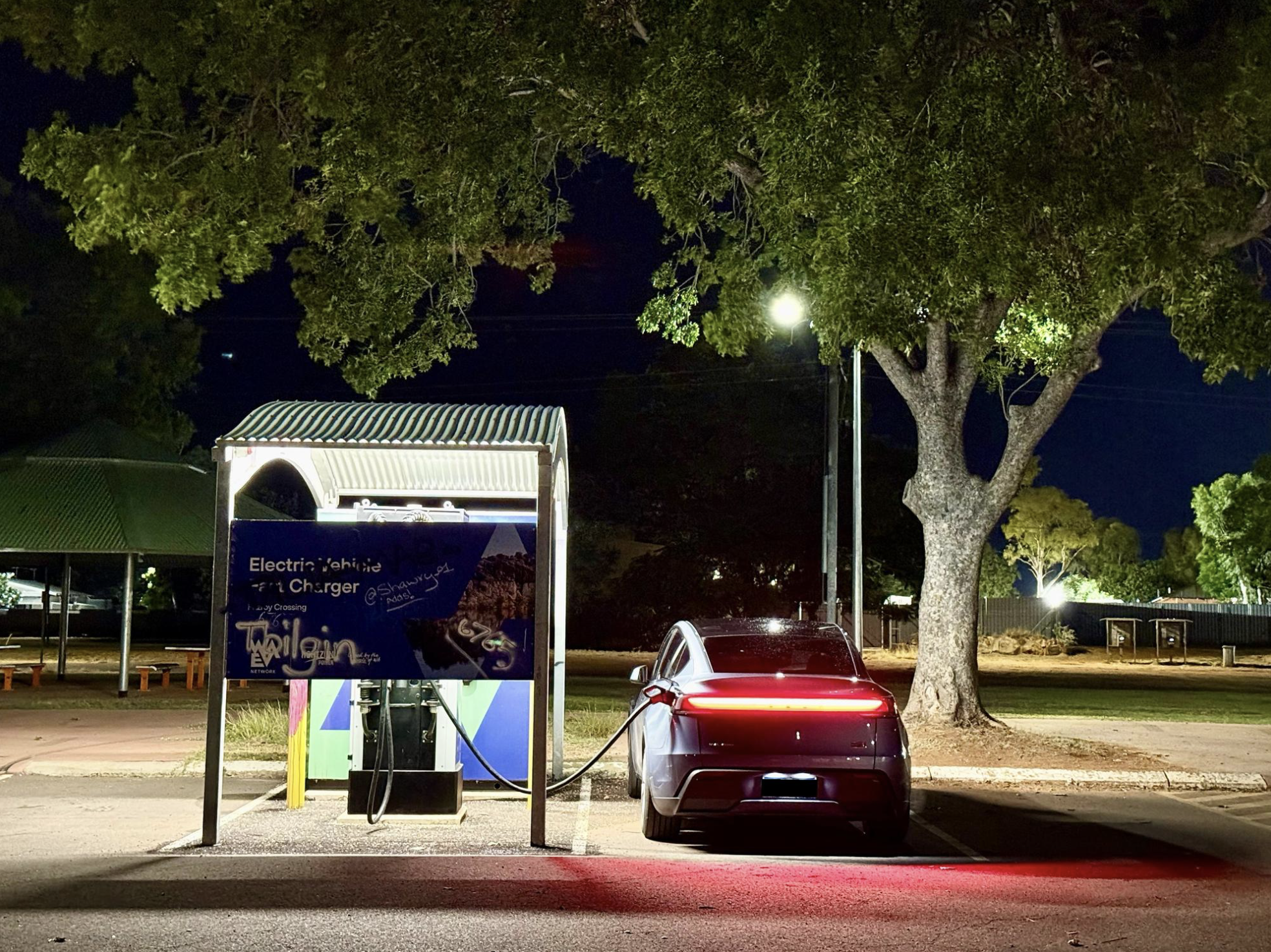
Nobody owns the regional charger
Somewhere in your council area, an EV charger was installed two or three years ago. There was a ribbon, a mayor, a media release with the word "milestone." One uncomfortable question: is it working right now? Why regional public charging has a reliability and ownership gap nobody's accountable for — and what to do about it.
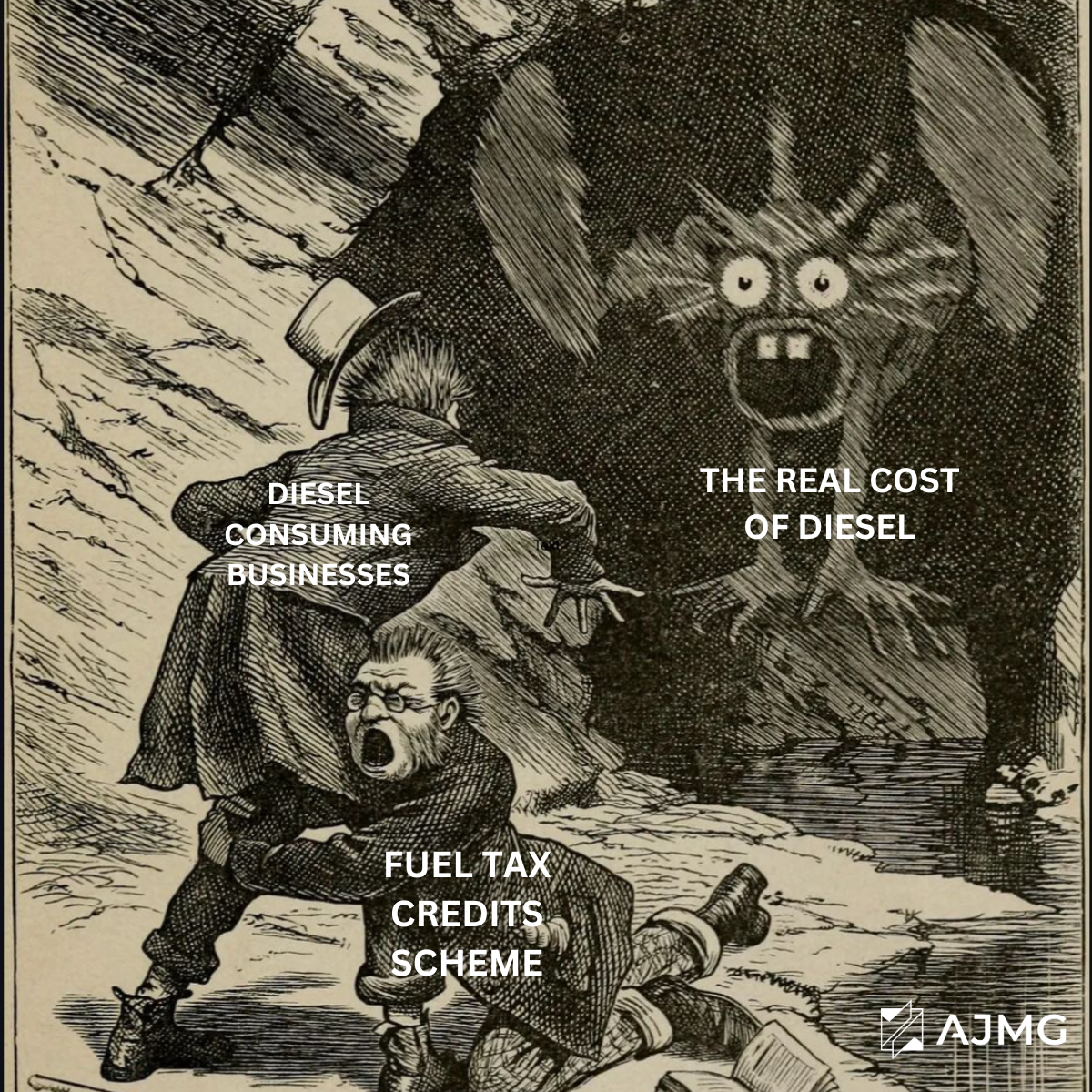
We spend more than $10 billion a year making diesel cheaper.
The Fuel Tax Credits Scheme is the largest fossil fuel subsidy in the country, and almost nobody can name it. It's also the quiet thumb on the scale in every fleet's decision to stay diesel — and it's forecast to grow toward $13 billion a year, just as we've told everyone diesel is on its way out.
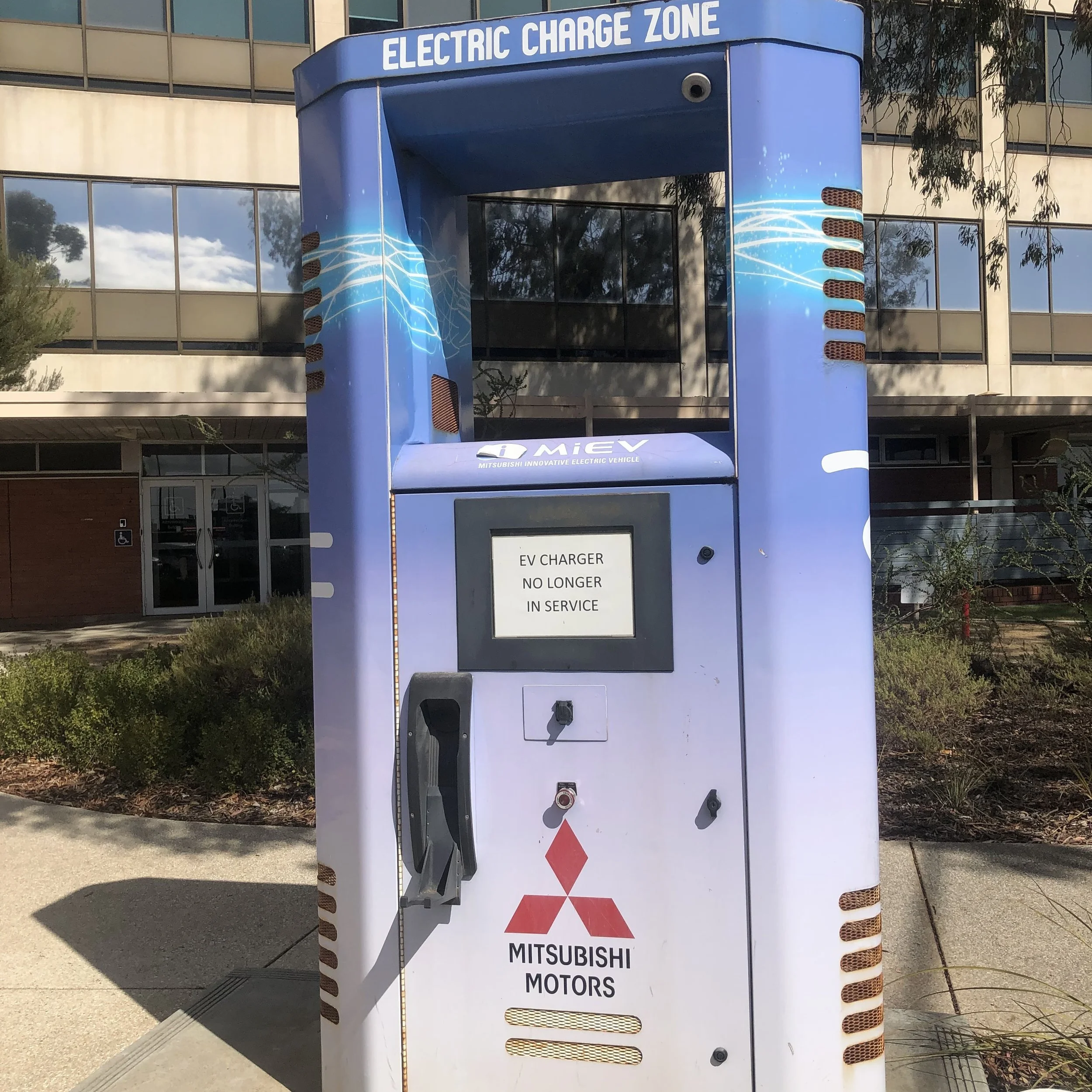
The thing you're buying isn't a charger
Most council EV charging tenders spend forty pages on the cabinet and almost none on the four things that actually decide whether the chargers ever work.
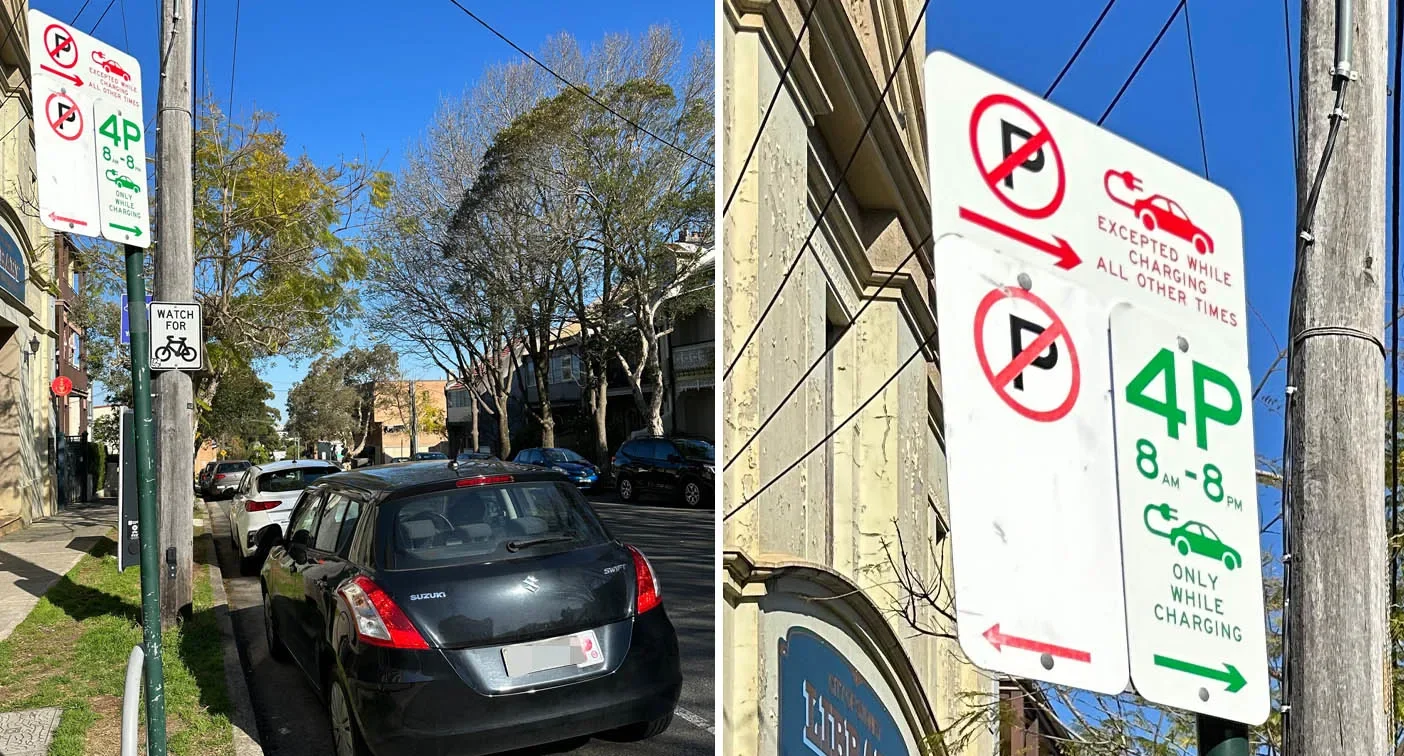
Kerbside charging isn't a charging problem. It's a parking policy problem.
The most expensive moment in a council EV charging project is the one where the parking team finds out about it. A note from inside Australia's first commercial kerbside network on why the chargers aren't the question.
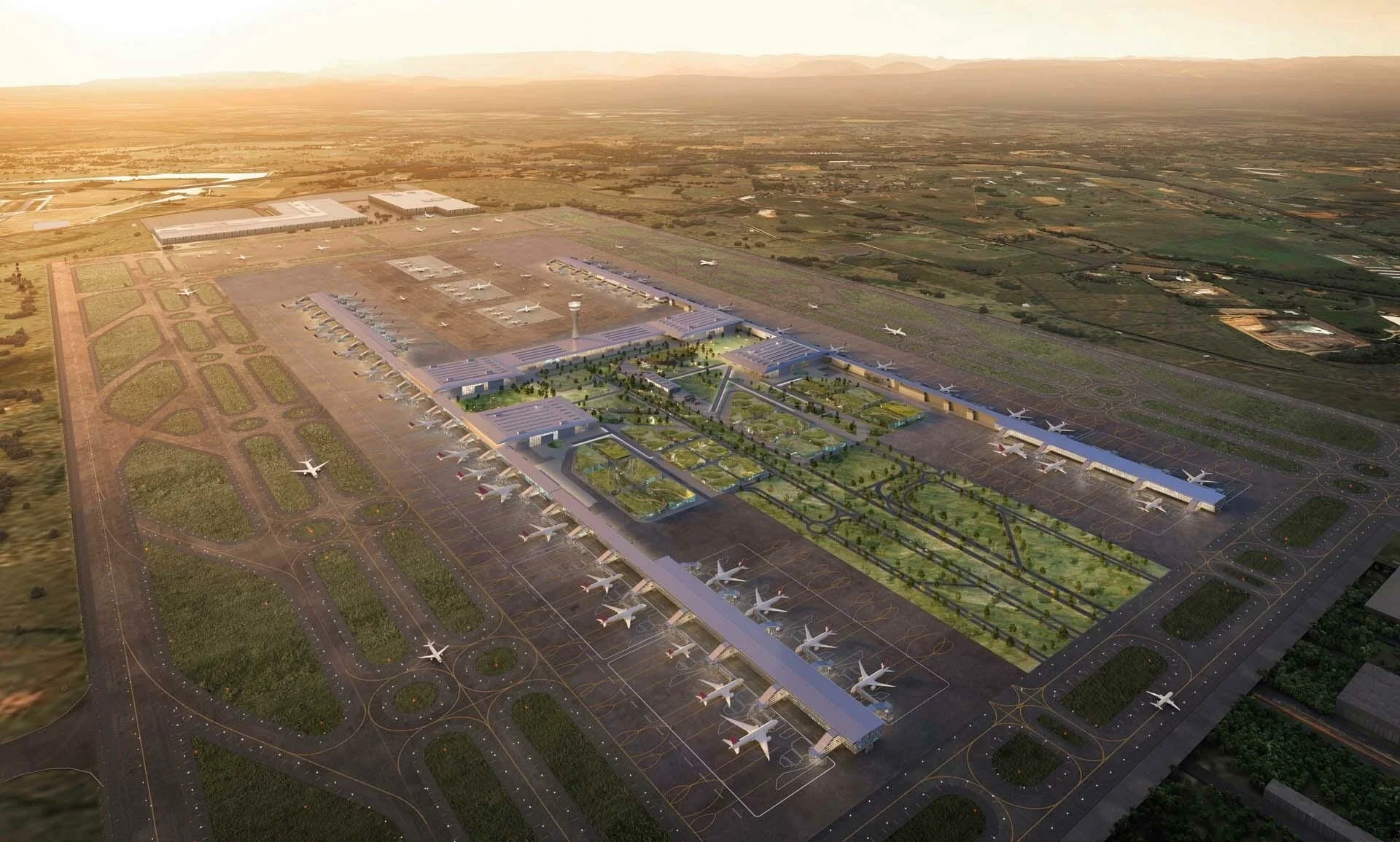
Western Sydney's Energy Problem Is a Commercial Opportunity — If Anyone Steps Up
The Western Sydney International Airport has completed major construction — terminal, 3.7km runway, roads, utilities — and is on track to open for domestic and international operations in late 2026. Since rezoning, the Aerotropolis has triggered close to $26 billion in committed private sector investment, with 18,000 construction jobs active and somewhere between 120,000 and 200,000 future jobs underpinning the precinct's long-term trajectory.
Transport links, roads and schools will absorb the policy attention. But there's a layer of infrastructure almost nobody is talking about seriously: energy.
And that silence is either a policy failure or a commercial opportunity, depending on where you're sitting.
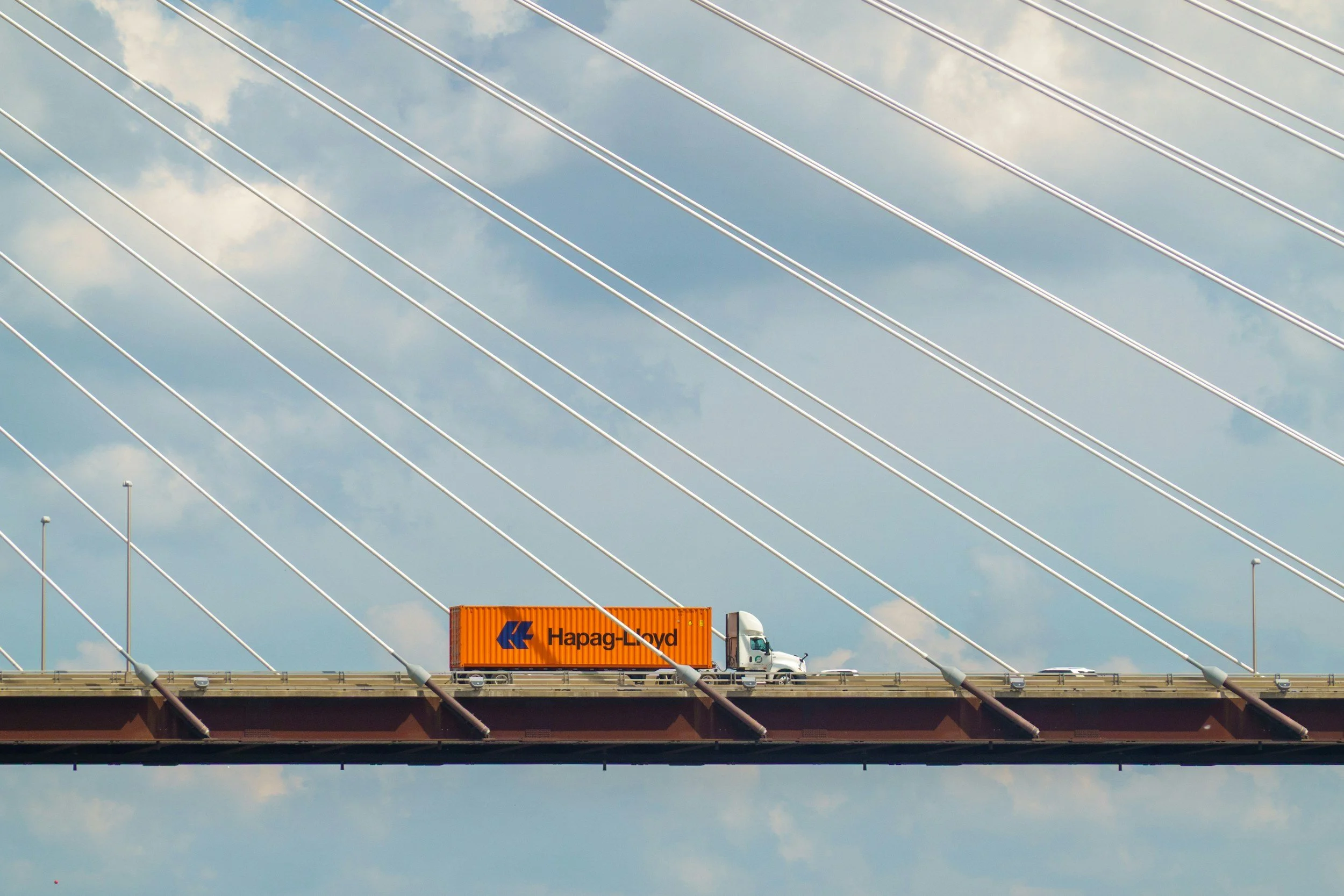
The Infrastructure Gap: Why Australia's Energy Transition Stalls Between Prototype and Scale
Australia currently has 30 days of diesel in reserve. That number has dominated the national conversation for weeks, and rightly so. But there's another number that will matter long after the immediate crisis resolves: the 18 to 36 months it typically takes a commercially validated clean energy infrastructure company to become a fundable, scalable business.

Australia's Fuel Crisis and the Food Supply Chain: What the 21 April Billing Date Means
The fuel crisis conversation has stayed mostly at the petrol station. The more consequential story is what happens inside the freight and food system over the next three weeks — and it has a specific date attached to it