
Analysis and commentary on urban decarbonisation, transport electrification, and the systems shaping Australia's energy future.
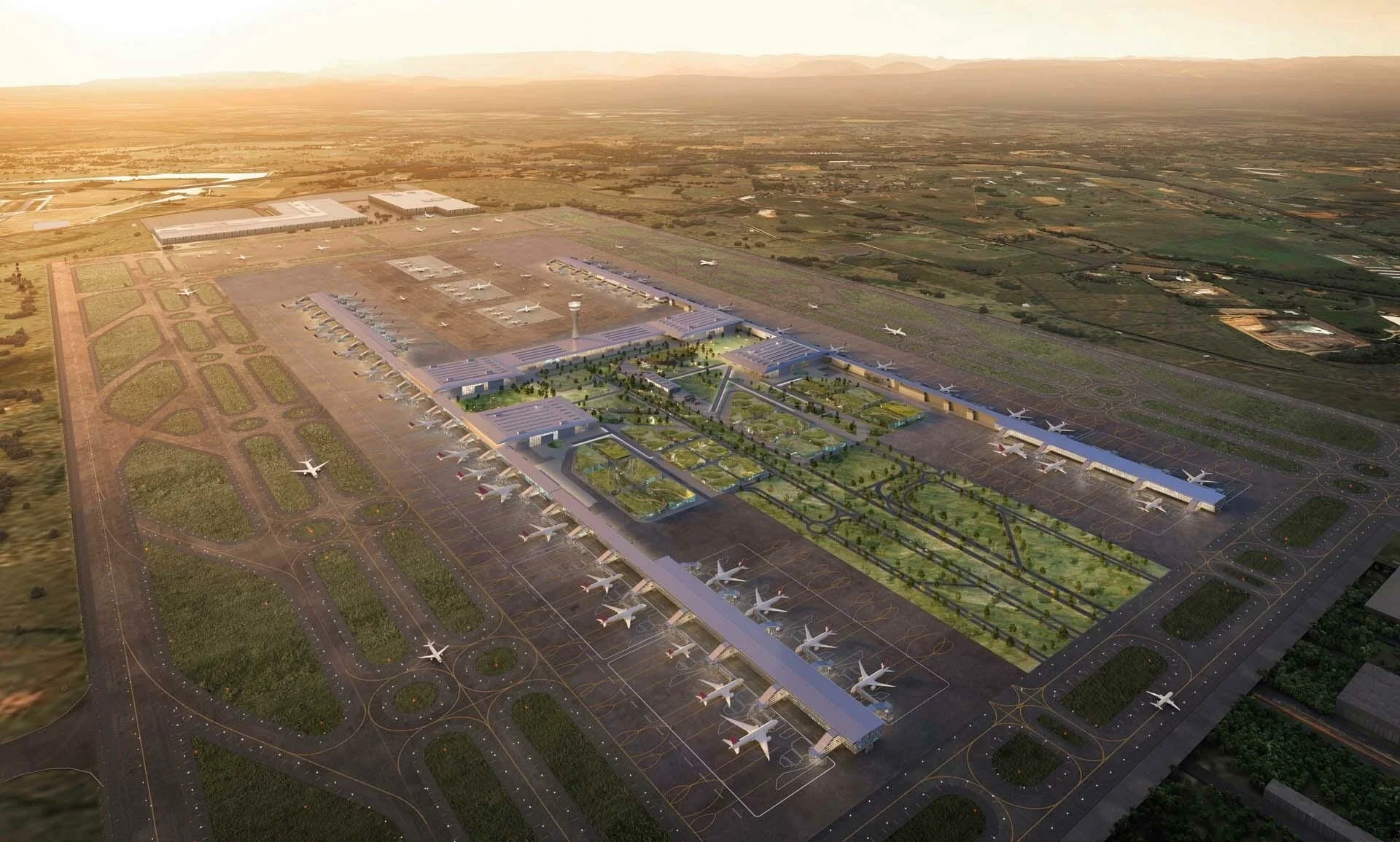
Western Sydney's Energy Problem Is a Commercial Opportunity — If Anyone Steps Up
The Western Sydney International Airport has completed major construction — terminal, 3.7km runway, roads, utilities — and is on track to open for domestic and international operations in late 2026. Since rezoning, the Aerotropolis has triggered close to $26 billion in committed private sector investment, with 18,000 construction jobs active and somewhere between 120,000 and 200,000 future jobs underpinning the precinct's long-term trajectory.
Transport links, roads and schools will absorb the policy attention. But there's a layer of infrastructure almost nobody is talking about seriously: energy.
And that silence is either a policy failure or a commercial opportunity, depending on where you're sitting.
The Infrastructure Gap: Why Australia's Energy Transition Stalls Between Prototype and Scale
Australia currently has 30 days of diesel in reserve. That number has dominated the national conversation for weeks, and rightly so. But there's another number that will matter long after the immediate crisis resolves: the 18 to 36 months it typically takes a commercially validated clean energy infrastructure company to become a fundable, scalable business.